Research Overview
MOTS-c Peptide Research Review
A detailed review of MOTS-c research, mitochondrial signaling, metabolic regulation, skeletal muscle adaptation, and emerging interest in cellular energy homeostasis.
Abstract
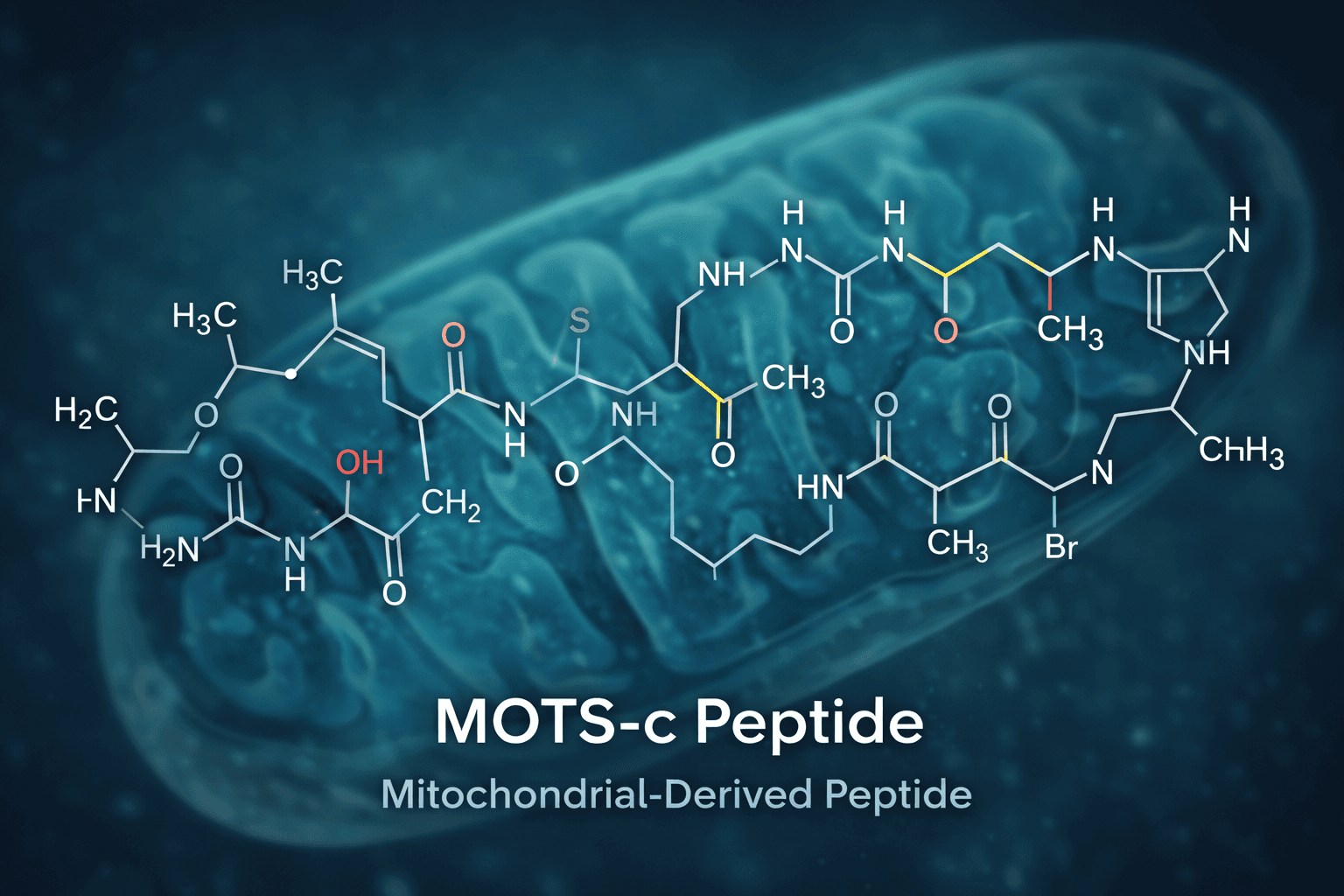
MOTS-c (Mitochondrial Open Reading Frame of the 12S rRNA-c) is a mitochondrial-derived peptide that has attracted growing interest in metabolic and mitochondrial research. Unlike most signaling peptides encoded by nuclear DNA, MOTS-c is encoded within the mitochondrial genome, making it a notable example of mitochondria-derived signaling that may influence cellular metabolism beyond the organelle itself.
Experimental studies suggest that MOTS-c may participate in the regulation of glucose metabolism, metabolic stress adaptation, skeletal muscle energetics, and nuclear gene expression. Research has increasingly focused on its relationship with AMPK signaling, insulin sensitivity, exercise physiology, and aging-related mitochondrial decline. Although current evidence is largely preclinical, MOTS-c remains one of the most compelling peptides in the field of mitochondrial communication and metabolic resilience.
Introduction
Mitochondria are commonly described as the energy-producing organelles of the cell, but modern research has shown that their role extends far beyond ATP generation. Mitochondria are now recognized as dynamic signaling centers involved in cellular stress sensing, apoptosis, redox regulation, and metabolic adaptation.
The discovery of mitochondrial-derived peptides expanded this view considerably. These peptides appear to function as signaling molecules that help coordinate communication between mitochondria and the rest of the cell. MOTS-c is among the most widely studied of these mitochondrial-derived peptides and has become a major focus in research involving metabolic flexibility, exercise adaptation, and aging biology.
Because metabolic dysfunction lies at the center of many age-related and energy-related research models, MOTS-c has drawn attention as a peptide that may help illuminate how mitochondria regulate systemic homeostasis under conditions of nutrient stress, physical exertion, and cellular challenge.
Molecular Structure and Genetic Origin
MOTS-c is a short peptide composed of 16 amino acids and is encoded within the mitochondrial 12S ribosomal RNA region. This is one of the most distinctive aspects of the peptide, because it places MOTS-c among a rare category of bioactive molecules directly encoded by mitochondrial DNA rather than nuclear DNA.
Peptide Sequence
MRWQEMGYIFYPRKLR
The molecular weight of MOTS-c is approximately 2174 Daltons. Despite its small size, the peptide has generated significant research interest because of its apparent ability to regulate metabolic pathways and influence cellular adaptation under energy stress conditions.
Mitochondrial Signaling and Cellular Localization
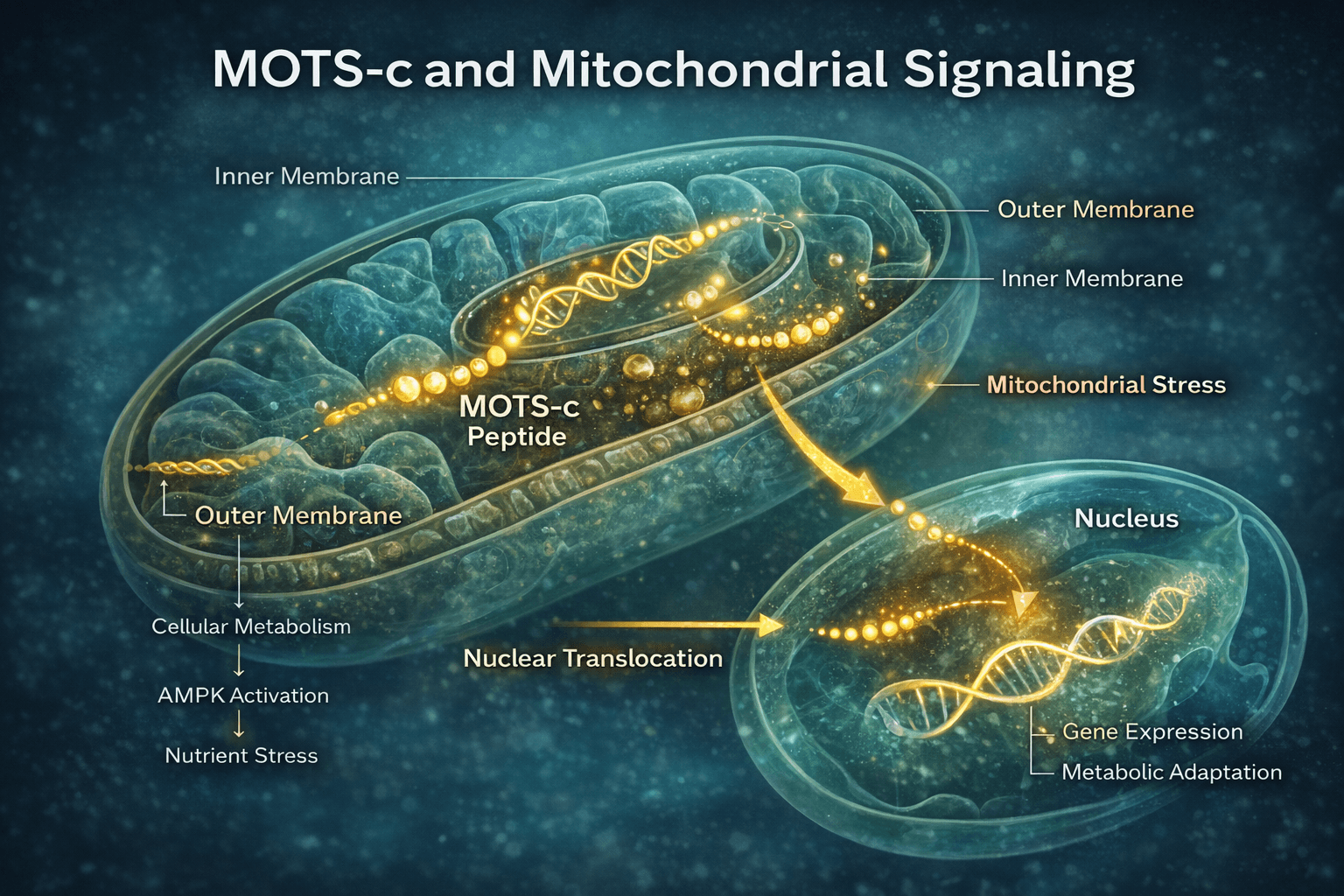
MOTS-c has been identified in several tissues, including skeletal muscle, liver, adipose tissue, and circulation. This distribution suggests the peptide may act not only inside mitochondria but also as a broader metabolic signaling factor.
One of the most important concepts surrounding MOTS-c is mitochondrial-to-nuclear signaling. Under metabolic stress, MOTS-c appears capable of moving from mitochondria into the nucleus, where it may influence the expression of genes related to metabolism, stress adaptation, and energy balance. This type of signaling is especially significant because it suggests that mitochondria are not merely passive energy generators, but active regulators of transcriptional responses across the cell.
In practical research terms, this positions MOTS-c as a peptide of interest in studies involving cellular adaptation, resilience under nutrient stress, and the molecular coordination of metabolic homeostasis.
Mechanism of Action
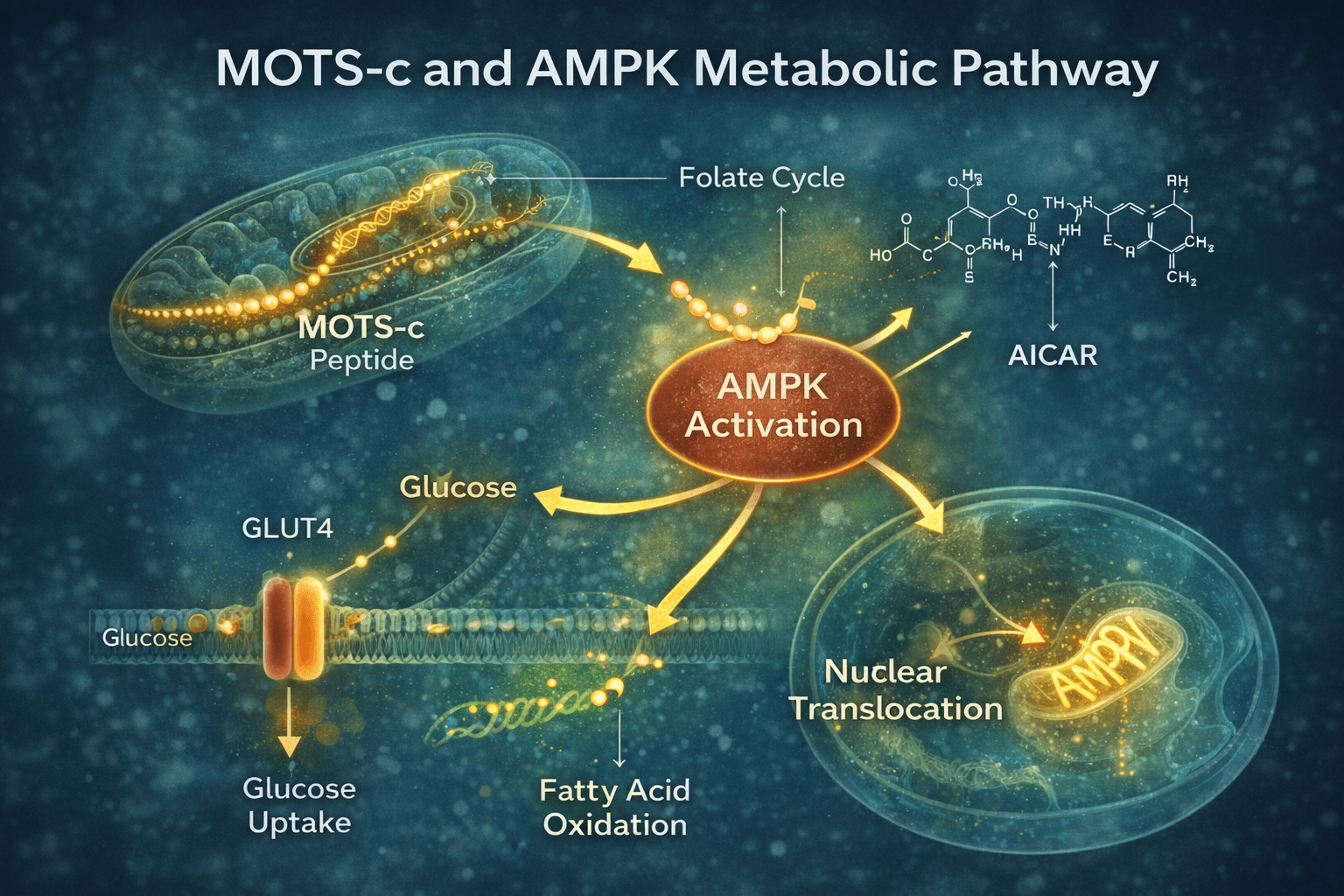
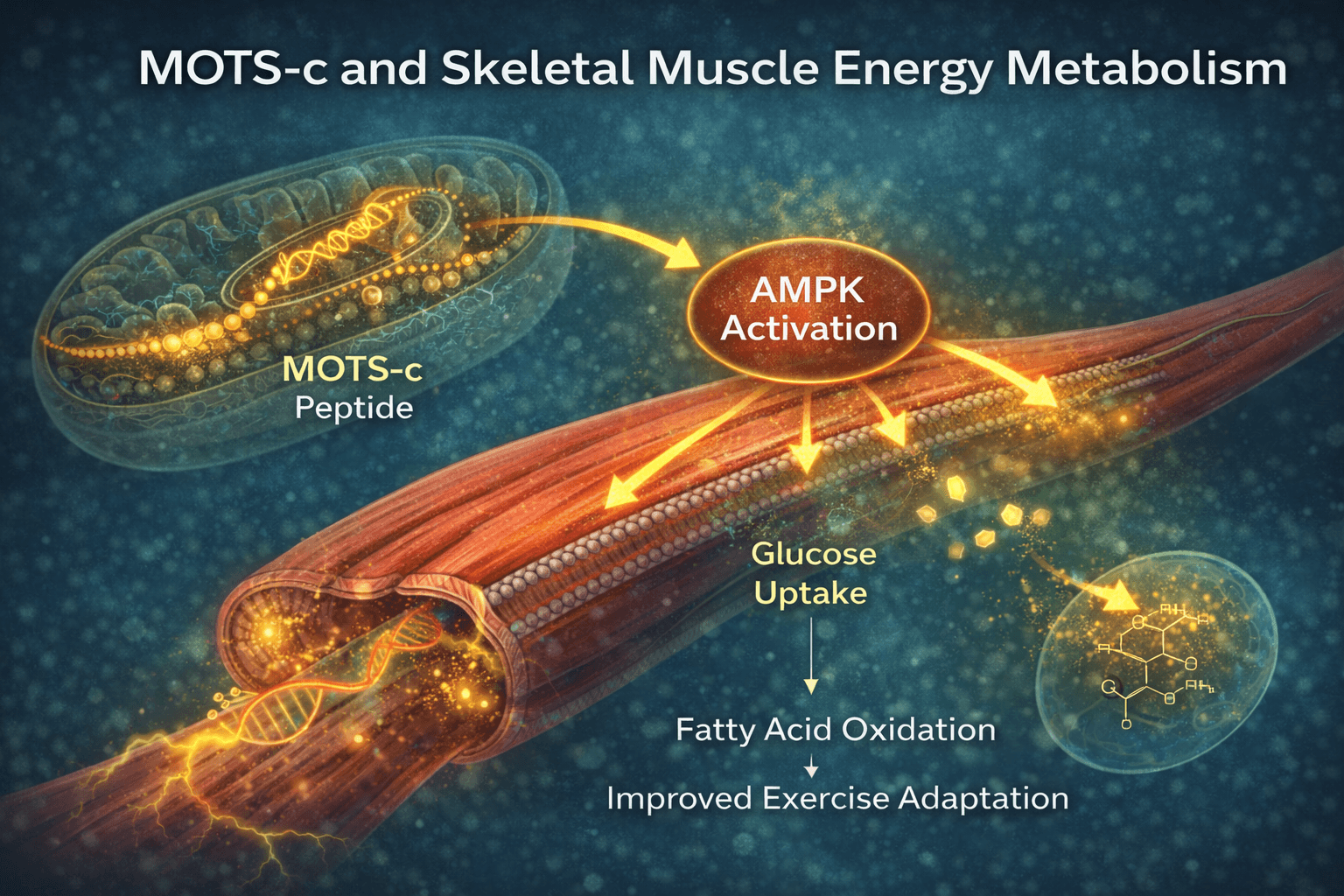
One of the most studied mechanisms associated with MOTS-c is its relationship with AMP-activated protein kinase (AMPK), a master energy-sensing pathway that helps cells adjust to energetic demand. AMPK is activated when energy levels are low and helps shift the cell toward ATP-generating processes while reducing ATP-consuming activities.
Research suggests that MOTS-c may activate AMPK-related pathways, leading to increased glucose uptake, enhanced fatty acid oxidation, and improved metabolic efficiency. This has made MOTS-c particularly interesting in models that study insulin sensitivity, nutrient handling, and stress-adaptive energy regulation.
Additional work has suggested involvement in the folate-AICAR-AMPK signaling axis, reinforcing the idea that MOTS-c may participate in broader metabolic regulation rather than operating through a single isolated target.
Glucose Metabolism
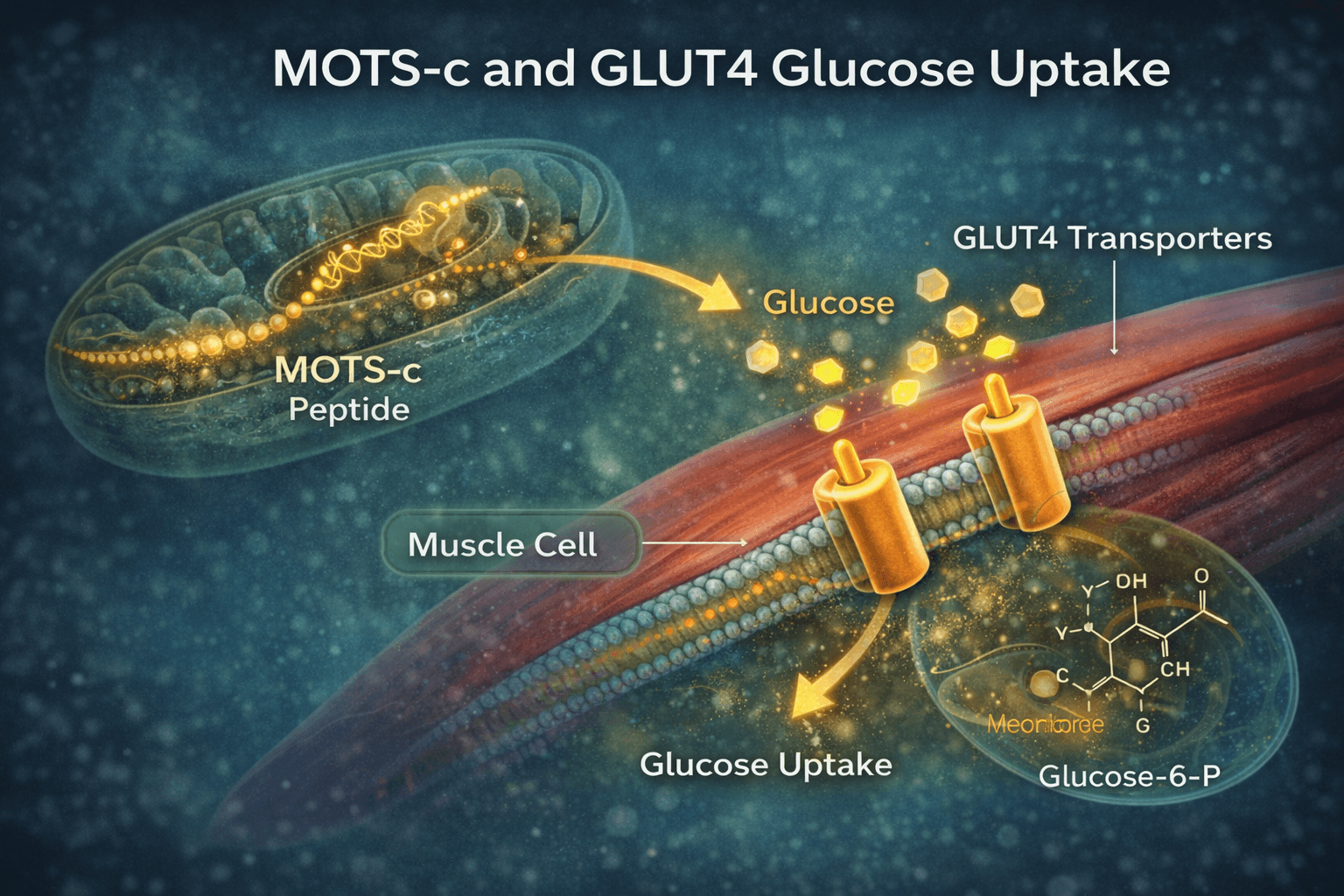
A central theme in MOTS-c research is its apparent influence on glucose handling. Experimental work suggests that MOTS-c may support glucose utilization by improving metabolic signaling in tissues such as skeletal muscle. This includes possible effects on glucose transporter activity, especially GLUT4-related transport, which plays a major role in moving glucose into muscle cells.
In preclinical models, these effects have been associated with improved insulin sensitivity and better metabolic adaptation under high-fat diet or stress-related conditions. Because of this, MOTS-c has become a peptide of interest in metabolic research exploring insulin resistance, nutrient overload, and energy dysregulation.
Skeletal Muscle and Exercise Physiology
Skeletal muscle appears to be one of the primary tissues involved in MOTS-c signaling. This makes sense given the enormous energetic demands of muscle tissue and its sensitivity to mitochondrial function, glucose transport, and substrate availability.
Experimental studies have suggested that MOTS-c may support metabolic flexibility and improve exercise-related adaptation in muscle. In animal research, this has included observations related to endurance, performance capacity, and the ability to tolerate metabolic stress during physical activity.
These findings have increased interest in MOTS-c as a peptide that may help researchers better understand how mitochondria communicate with skeletal muscle during exercise and how cellular energy systems adapt to repeated metabolic demand.
Aging, Metabolic Resilience, and Mitochondrial Biology
Aging is strongly associated with declining mitochondrial function, impaired nutrient sensing, reduced metabolic flexibility, and altered stress responses. Because MOTS-c appears to participate in several of these areas, it has become a notable subject in longevity and aging-related research.
Researchers have investigated whether MOTS-c may play a role in preserving metabolic resilience as mitochondrial performance declines. Interest in this area is driven by the possibility that mitochondrial-derived peptides help coordinate systemic adaptation to stress, thereby influencing broader aspects of cellular function.
Although these findings remain largely preclinical, they reinforce the importance of MOTS-c in studies focused on mitochondrial signaling, metabolic homeostasis, and the biological consequences of age-related energetic decline.
Current Research Limitations
Despite strong interest in MOTS-c, current evidence remains limited primarily to cellular and animal studies. This means many of the peptide’s observed effects still require further clarification in future research settings.
Key unanswered questions include tissue-specific mechanisms, duration-dependent signaling effects, interactions with other mitochondrial-derived peptides, and the extent to which laboratory findings translate across broader biological systems. These open questions are precisely what make MOTS-c an important subject for ongoing experimental investigation.
Research Material Presentation
For research catalog presentation, a clean vial image can help visually distinguish the compound while maintaining a scientific layout consistent with the rest of the page.

Explore MOTS-c Research Material
Vincere Vitae provides high-purity MOTS-c peptide for laboratory research. Each vial is manufactured under controlled conditions and undergoes analytical verification to support scientific investigation of mitochondrial signaling and metabolic pathways.
View MOTS-c Research Product →Conclusion
MOTS-c represents one of the most compelling developments in mitochondrial peptide research. Its unique origin within mitochondrial DNA and its apparent role in metabolic regulation make it highly relevant to studies involving glucose metabolism, AMPK signaling, exercise physiology, and aging-related mitochondrial decline.
As research continues to evolve, MOTS-c is likely to remain a key peptide in the study of mitochondrial communication and cellular adaptation. Its value lies not only in its individual signaling effects, but in what it reveals about the broader role of mitochondria as active regulators of metabolism and stress response.
Research Use Only: This material is provided for laboratory research purposes only. MOTS-c is not approved for human consumption or therapeutic use. All materials are intended for use by qualified professionals in controlled research settings.